Feee.io
Sign in / Sign up
'%3e%3cg%20id='组_13902'%20data-name='组%2013902'%20transform='translate(-14139.51%20-7418.167)'%3e%3cellipse%20id='椭圆_10375'%20data-name='椭圆%2010375'%20cx='373'%20cy='373'%20rx='373'%20ry='373'%20transform='translate(-13.49%2057.167)'%20fill='url(%23radial-gradient)'/%3e%3cpath%20id='路径_20875'%20data-name='路径%2020875'%20d='M329.248,19.9q0,2.735-5.469,9.571t-6.837,12.306q-10.939,0-31.448,3.076t-30.764,3.076a99.6,99.6,0,0,1-11.28-1.025,100.371,100.371,0,0,0-11.964-1.025q-12.306,1.367-35.55,6.153-21.877,8.2-46.488,45.121t-26.662,61.529a73.892,73.892,0,0,1,20.51-3.418q65.631,0,121.69,22.561l6.153-.684q2.051,5.469,12.306,15.724t12.306,18.459q-2.735,12.306-17.775,19.826-20.51,10.255-23.928,13.673-97.762-7.52-94.344-7.52-10.255,0-54.009,30.764Q84.5,322.755,78.347,356.254T72.194,446.5a18.2,18.2,0,0,0,2.051,8.2l-2.051,1.367-2.051,6.153q-6.837,1.367-19.826,9.571-2.051-6.153-2.051-18.8t-2.051-18.8q1.367-13.673.684-79.3,0-48.539,7.52-78.62L48.266,270.8q0-4.1-.684-12.306V246.869q0-17.091,9.571-33.5,17.091-30.081,17.091-30.764,10.938-25.979,21.877-69.049H93.387q-15.724-1.367-21.193,21.877-7.52.684-21.535,13.673T26.389,162.1q-9.571,0-17.775-15.04T.41,121.077q0-12.306,8.2-28.713l-.684-4.1a60.81,60.81,0,0,1-3.418-6.153l5.469-4.786L7.93,26.049q8.887-14.357,24.612-10.938,2.051-6.153,9.229-12.648t8.546-9.229A187.573,187.573,0,0,1,69.459-9.5l3.418,3.418a12.9,12.9,0,0,0,4.1.684q-.684,0,38.285-5.469,71.784-10.255,102.548-10.255Q319.676-21.123,329.248,19.9Z'%20transform='translate(210.119%20238.766)'%20fill='url(%23linear-gradient)'/%3e%3c/g%3e%3c/g%3e%3c/svg%3e)
The main use of Tron energy is to execute smart contracts. Smart contracts are computer programs that automatically execute, control, or document legal events and actions. In the TRON network, smart contracts can be used to create decentralized applications (DApps), which run on the blockchain and are not controlled by any individual or organization.
Energy can be mainly consumed in the following scenarios (the following consumption data is a summary of on-chain data and is an approximate data. Actual and accurate consumption data requires data obtained by querying the block browser after operation)
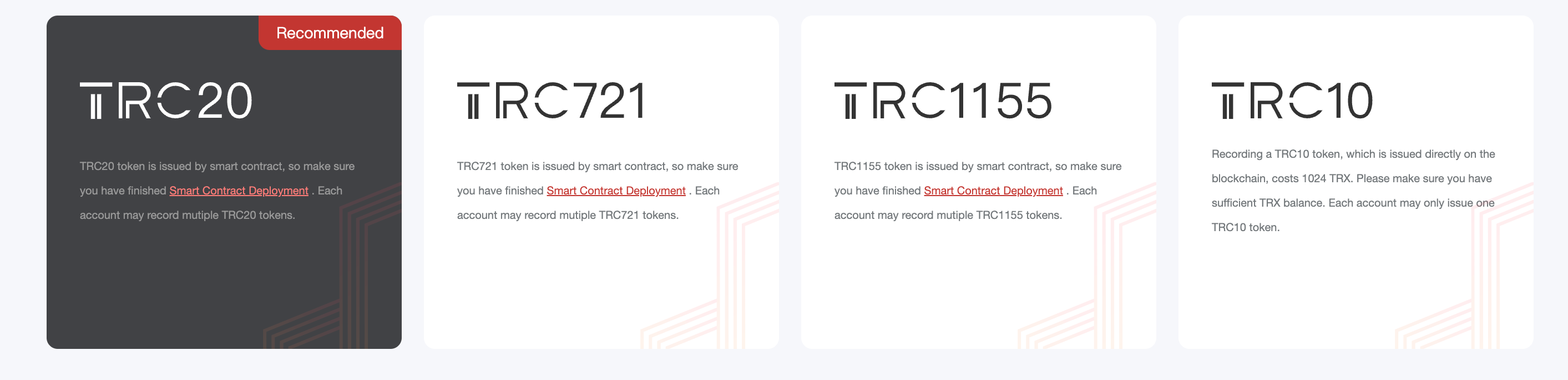
TRC20 consumption
TRC20 tokens consume bandwidth and energy. For example, USDT is 20 tokens. A transfer consumes 32,000 energy and 339 bandwidth, which requires about 13.44TRX of energy and 1TRX of bandwidth to be deducted.
Smart contract consumption
Calling smart contracts consumes bandwidth and energy. For example, SUNSWAP buying and selling transactions are smart contract interactions, which consume energy and bandwidth in the account.
TRC20 deployment
Standard contract deployment consumes 580,000 energy, which can be deducted approximately 150TRX. Non-standard token contract deployment consumes tens to millions of energy.
TRC721 Deployment
Deploying Tron NFT (TRC721 protocol) requires 10,610 bandwidth and 1.67 million energy, which can be deducted from 10.61TRX and 471TRX fees.
In addition to executing smart contracts, Tron energy has other uses:
•Reduced transaction fees: Owning energy can reduce or eliminate transaction fees because these fees can be paid for with energy, which is especially beneficial for users who frequently trade.
•Improving transaction speed: Having enough energy ensures fast execution of transactions or smart contracts, while having no energy may cause transactions to be delayed or cancelled.
•Support network stability: While gaining energy by freezing TRX, it also provides additional security and stability to the network.